AI × Dementia Care × Healthy Ageing
LTPA redefine dementia care with AI
Harnessing technology to advance healthy ageing—turning deeper insight into earlier action, personalized support, and continuous progress for a healthier, more independent life.
Brain Health
Physical Function
Precision Training
Wellness Activity

AI CareAssessment, training and tracking working together for better dementia care.
our value
Greater clarity, effortless engagement, and outcomes that truly matter.
01
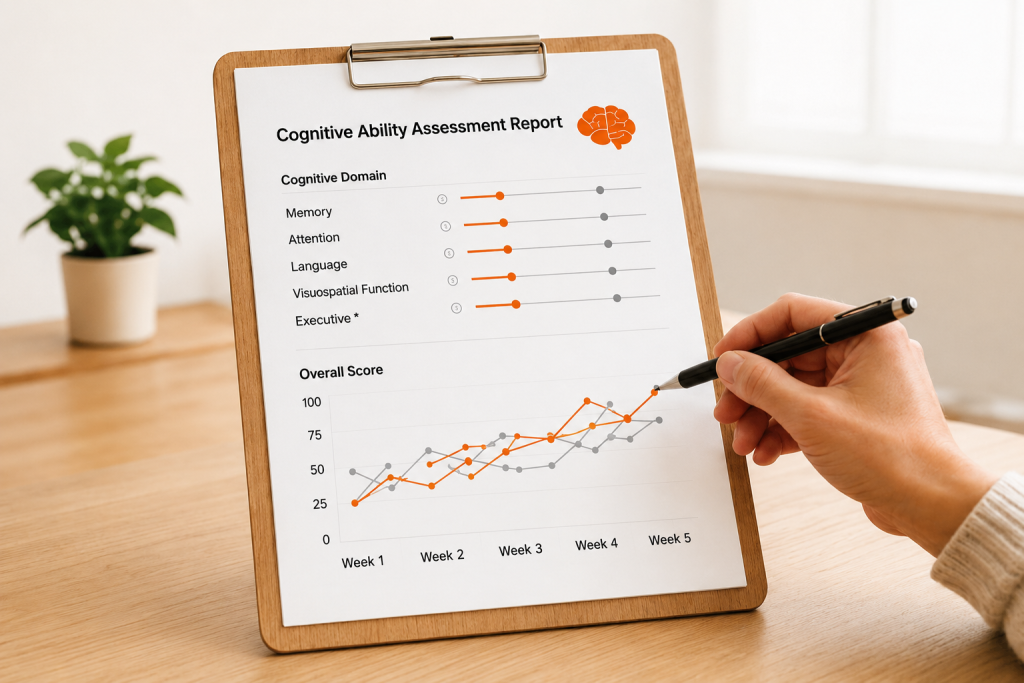
Early Detection
Through AI-powered cognitive risk assessment, analyzing reaction time, accuracy, attention, memory, and coordination.
02
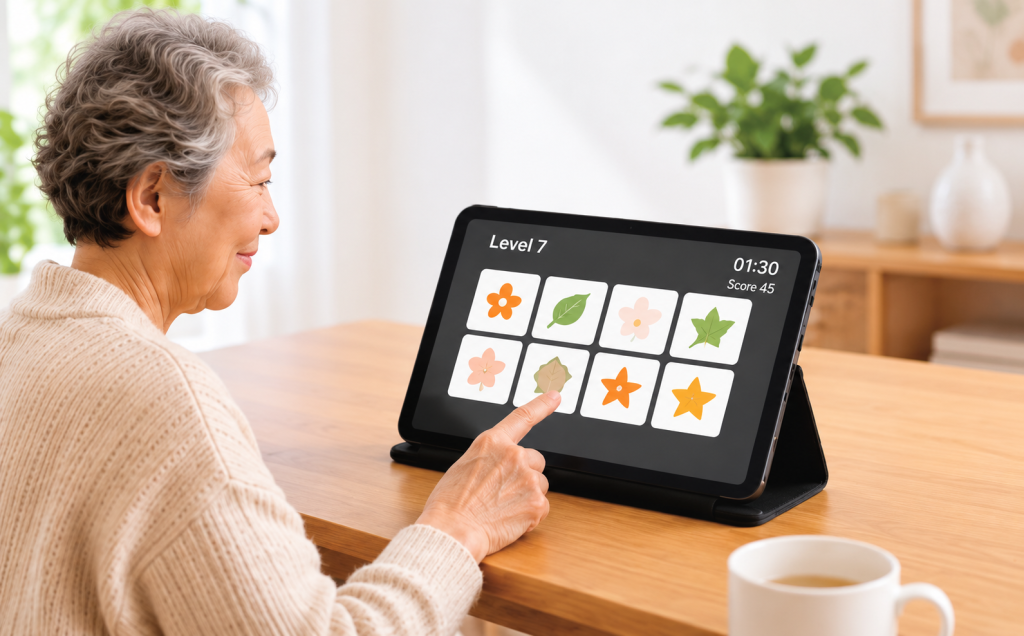
Easy Training
Based on seniors’ abilities and training performance, provide appropriate training content and difficulty levels, while transforming professional training into simple and engaging activities.
03
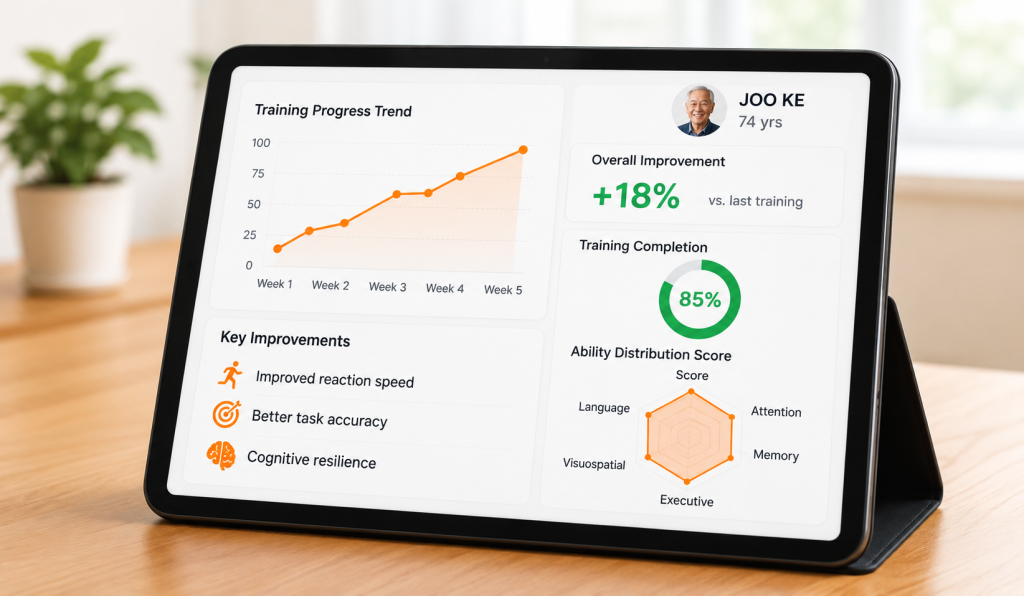
Visible Progress
Using AI analysis and training reports to automatically record each training result, track long-term changes in abilities, and identify abnormal trends.
Many health and care needs only become apparent after a person’s abilities have already declined substantially. Yet ageing is not an overnight event.
Reaction time, memory, attention, mobility, balance and everyday function evolve gradually. LTPA uses technology to transform conventional rehabilitation into engaging, game-based experiences while automatically capturing subtle changes over time. This enables older adults to receive training that reflects their individual needs and keeps caregivers connected to meaningful progress.
Reactive Care
- Problems become visible
- Assessment
- Intervention
→
Proactive, Continuous Care
- Earlier risk identification
- Personalised training
- Continuous support
Solutions
LTPA Services in Singapore
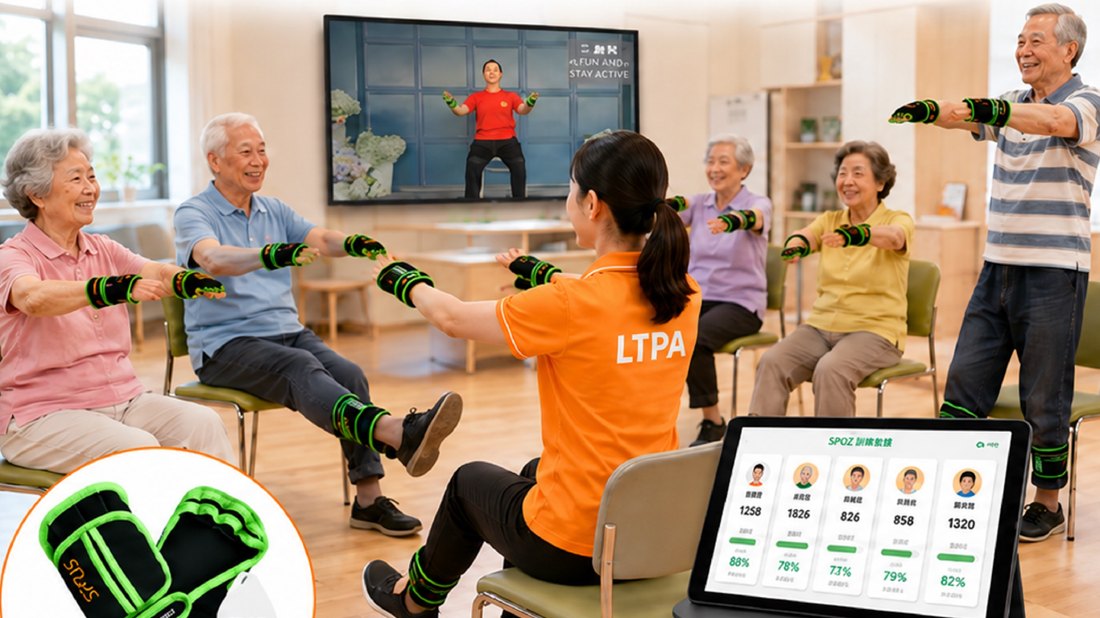
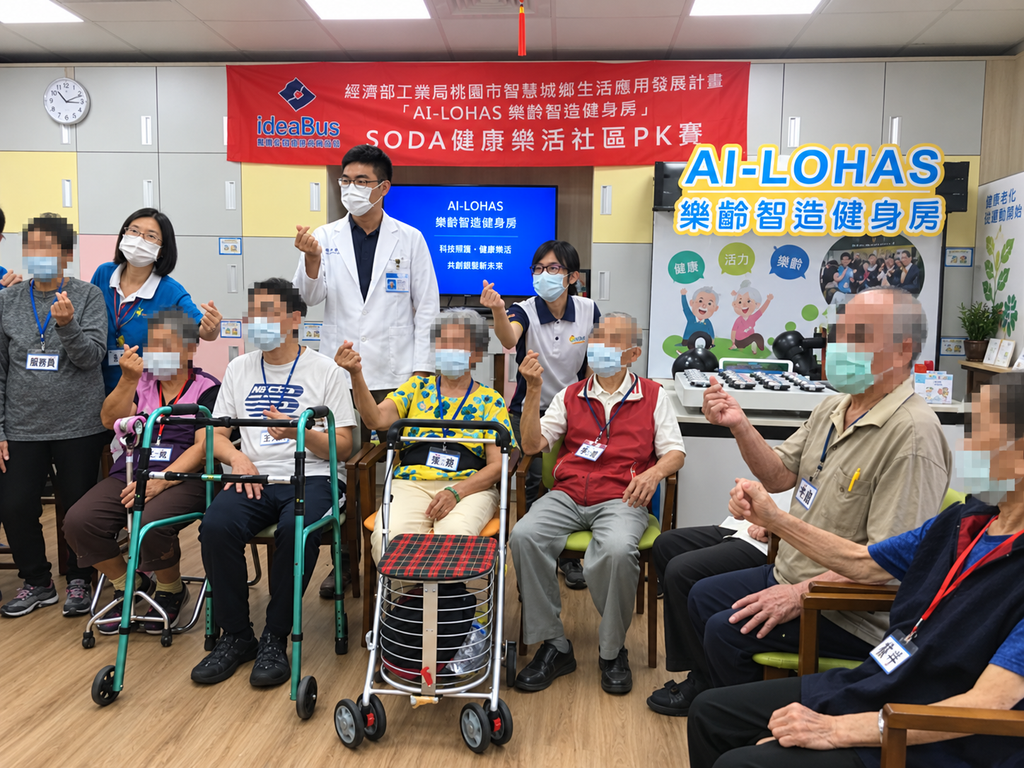
Community Wellness Activity
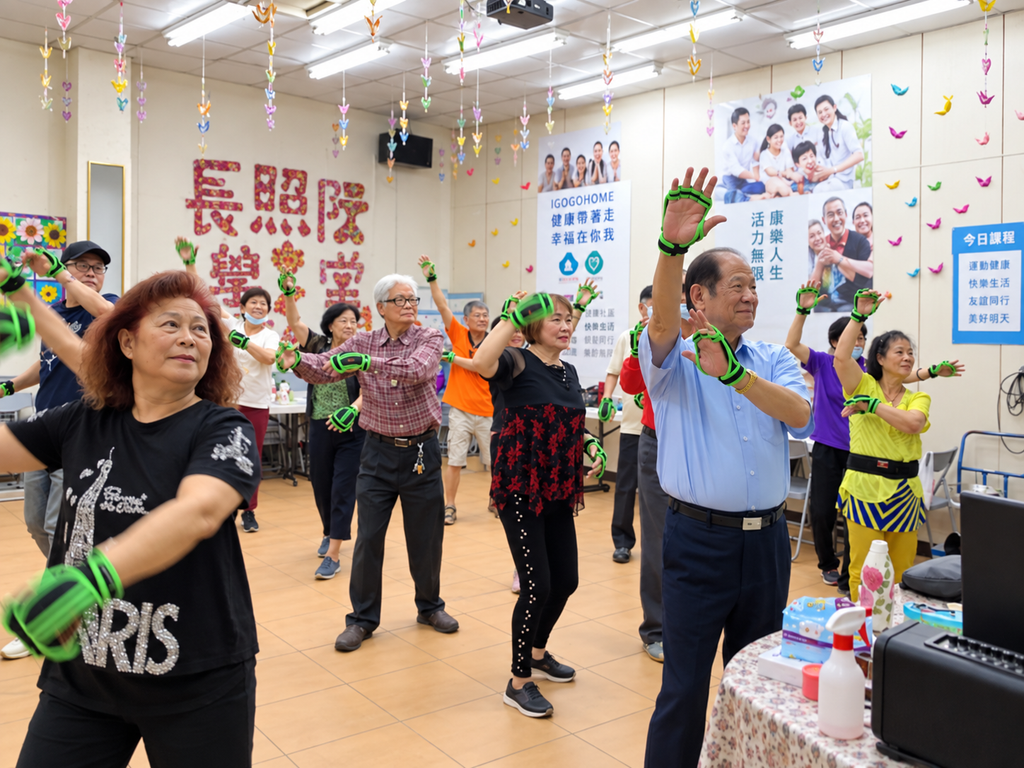
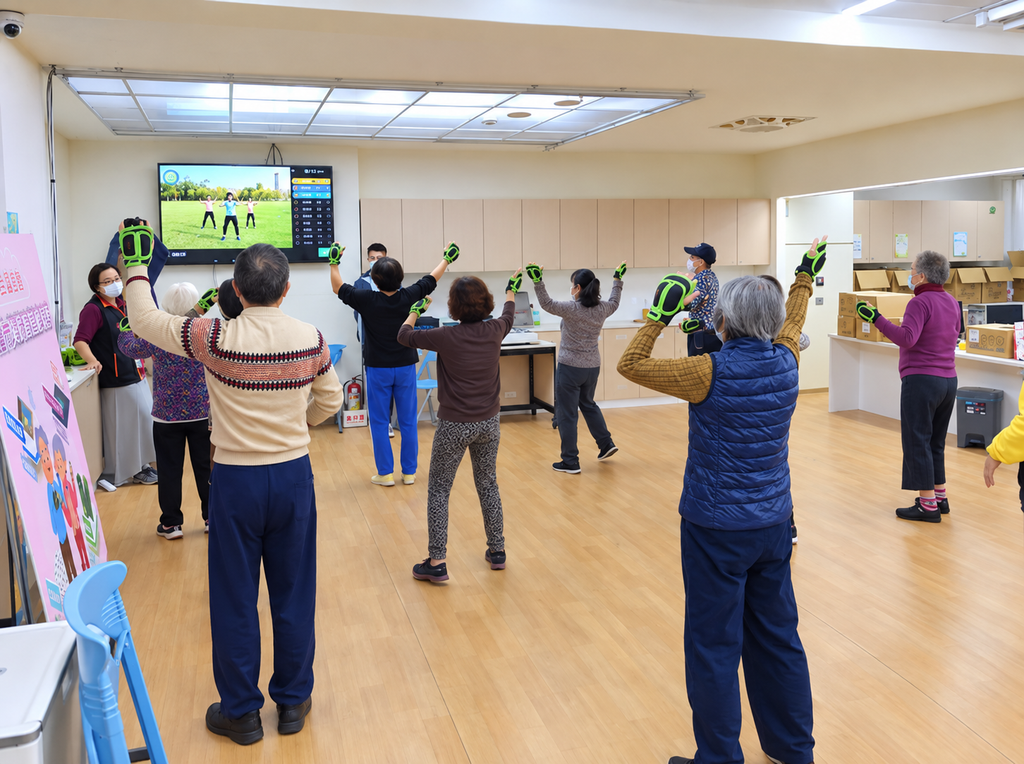
Engaging group-based activities that combine movement, cognitive stimulation and social participation to support everyday healthy ageing.
Suitable Settings
Active-ageing centres, community care programmes, senior living communities, and wellness providers seeking scalable, facilitator-led group engagement.
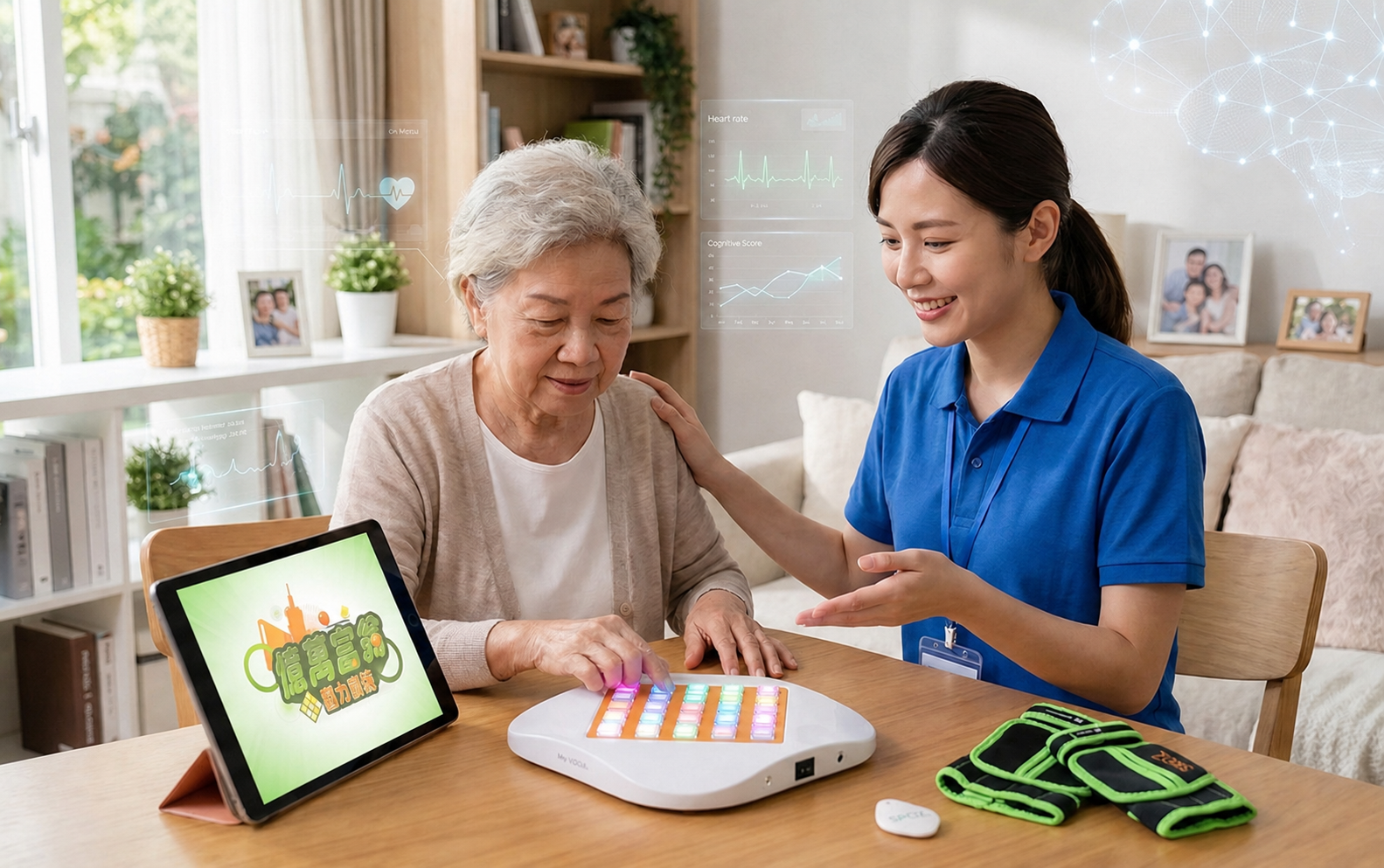
Dementia Precision Training
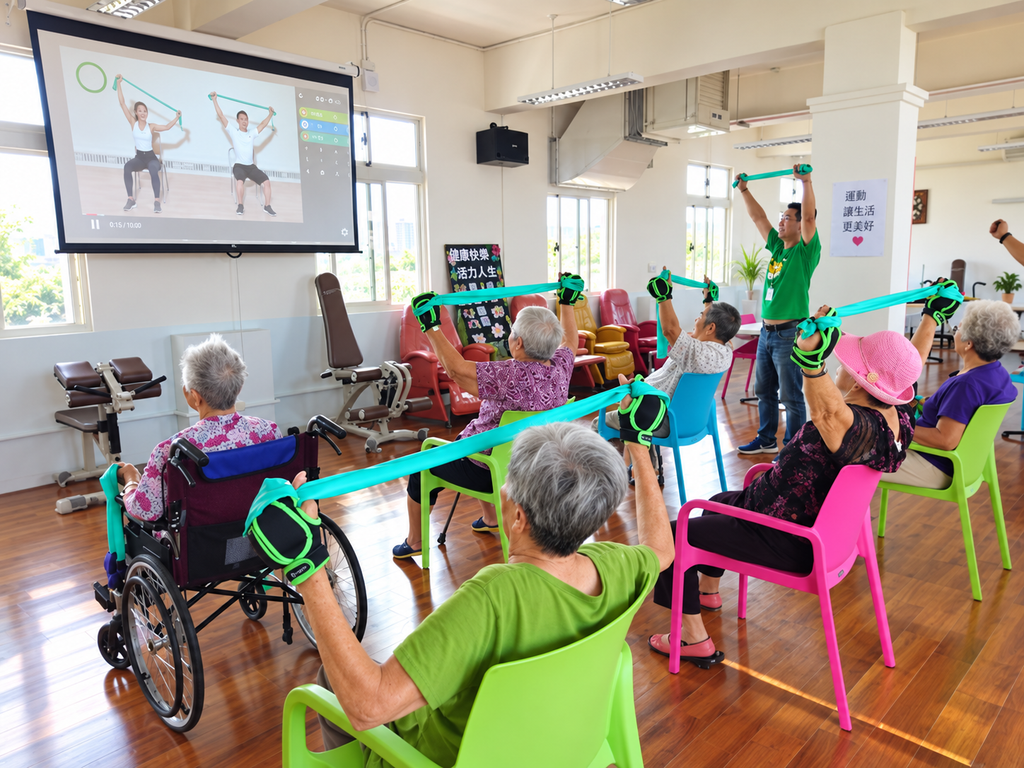
Structured and ability-based training that supports people with cognitive decline through tailored content, appropriate difficulty and continuous follow-up.
Suitable Settings
Dementia day-care and long-term care services, home-care teams, memory clinics, and rehabilitation providers requiring personalised, measurable support.
Evidence & Real-World Validation
LTPA stands among the most extensively validated dementia care solutions.
Pingtung County Long-Term Care
Reported Outcomes
Improved MoCA scores, reduced caregiver burden, lower professional labour demand, increased family interaction, and stronger service capability among home-care staff.
Summary
A technology-enabled home-care study integrated LTPA dementia precision training with home-based long-term care services. Therapists conducted monthly in-home assessments, while care staff delivered system-assigned training twice a week.
Kaohsiung HSU-AN Community Day Care
Reported Outcomes
Improved cognitive assessment results, daily-living and independent-living abilities, reduced care risk, and better muscular endurance.
Summary
SPOZ and TAKA were introduced through a high-tech care subsidy initiative. Participants first received cognitive and physical range-of-motion assessments, followed by 12 weeks of individualised precision training.
Taipei Medical University — College of Nursing
Reported Outcomes
Significant improvements in overall cognition, working memory, attention and coordination, supporting strategies to prevent or delay dementia.
Summary
Multi-domain cognitive training was delivered to older adults with mild cognitive impairment or mild dementia, with cognitive and functional performance evaluated after the intervention.
Changhua Christian Hospital
Reported Outcomes
Improved cognitive performance and attention following the community-based intervention.
Summary
The AI-Exercise precision training programme was delivered as a combined cognitive and physical intervention for community-dwelling older adults in a large-scale clinical study.
Chaoyang University of Technology
Reported Outcomes
Established AI models for predicting MMSE scores and the probability of mild cognitive impairment.
Summary
Research using Me-SODA examined prefrontal cerebral blood flow, oxygenated haemoglobin, autonomic nervous system activation, and the use of AI for cognitive-risk prediction.
This section summarises the research and implementation outcomes documented in the reference material provided by LTPA.
Our Track Record
Building on validated POCs to strengthen local partnerships, accelerate commercial expansion, and scale trusted solutions.
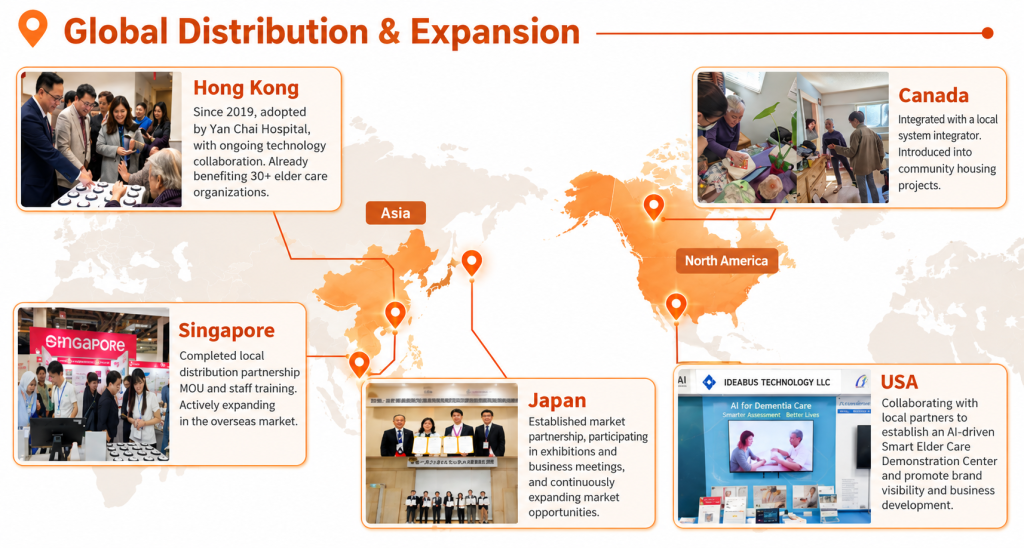
5+
Countries
20+
Hospital Partnerships
200+
Care Organisations
Day Care Cases
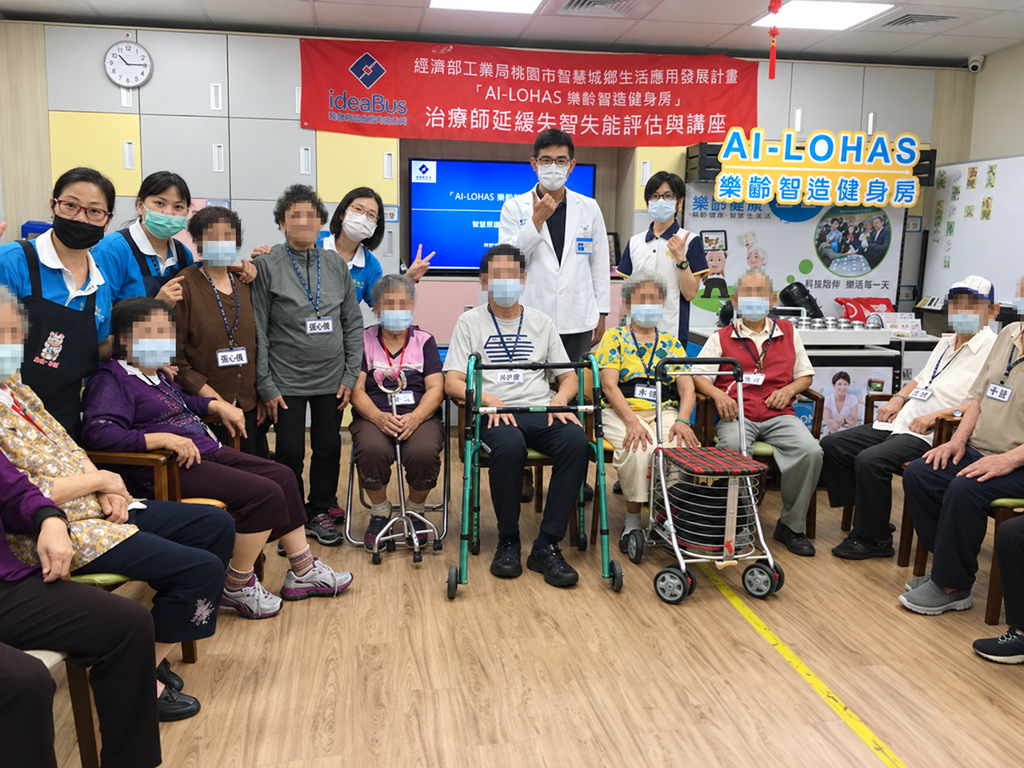
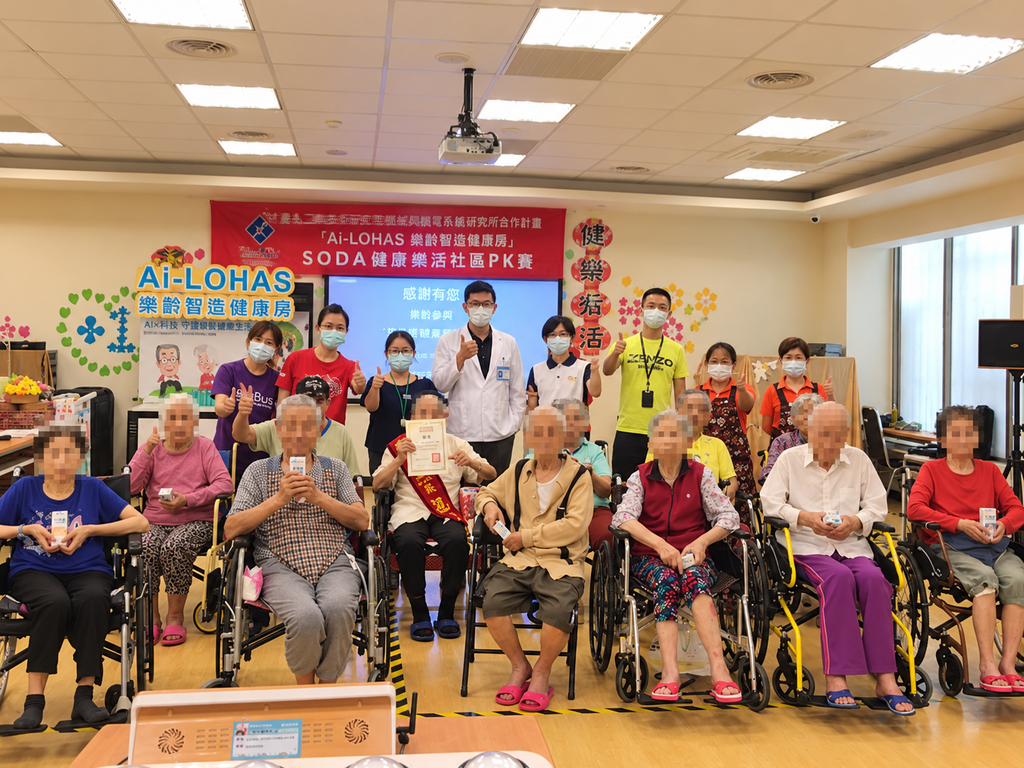
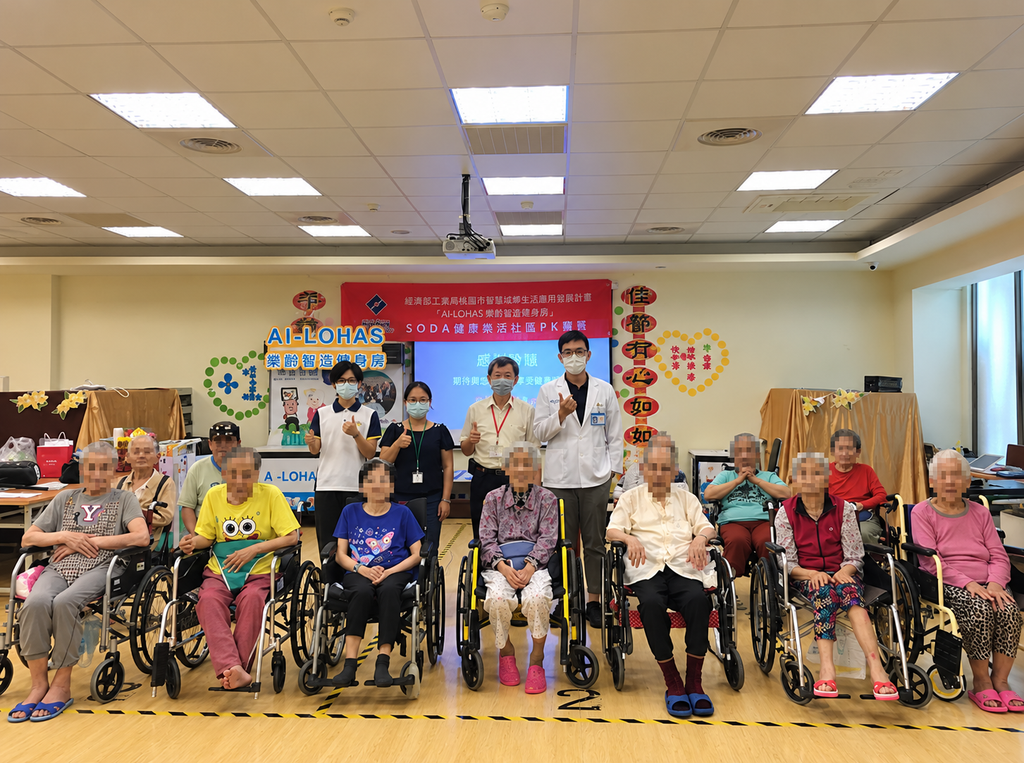
Nursing Home Cases
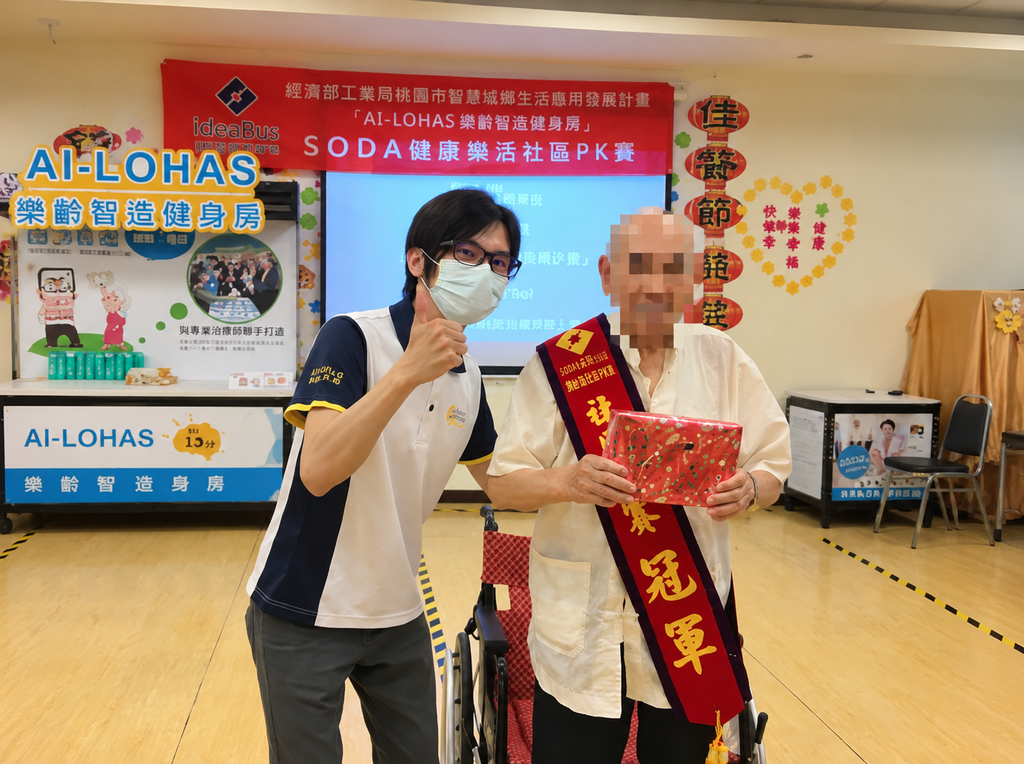
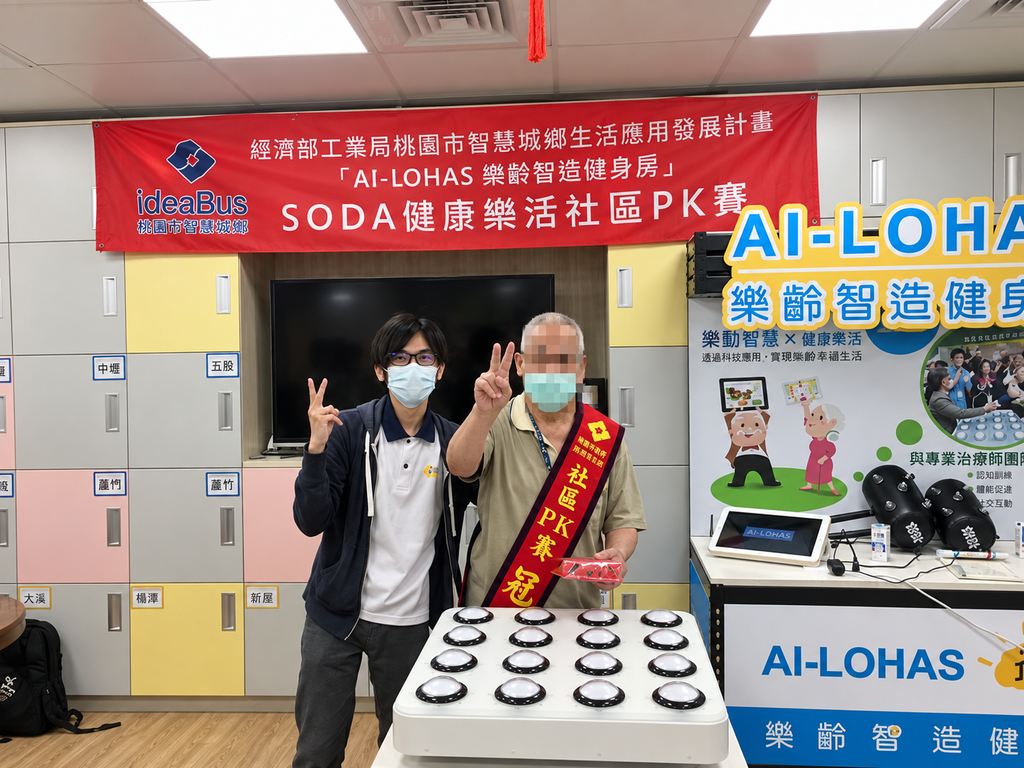
Community Site Cases
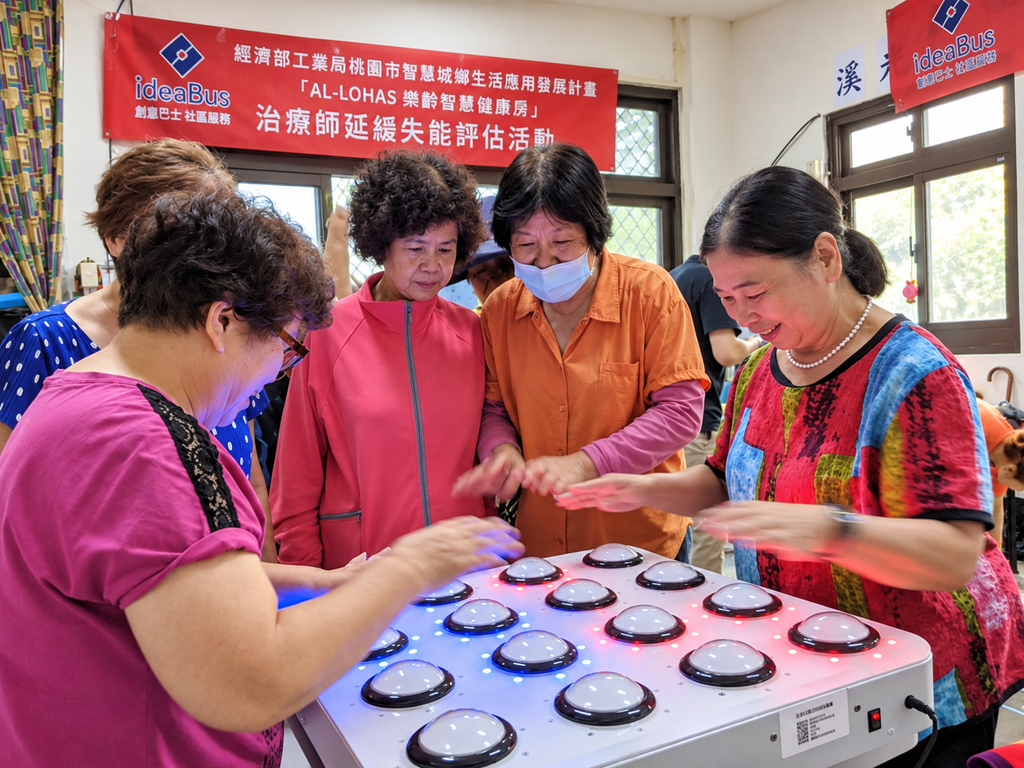
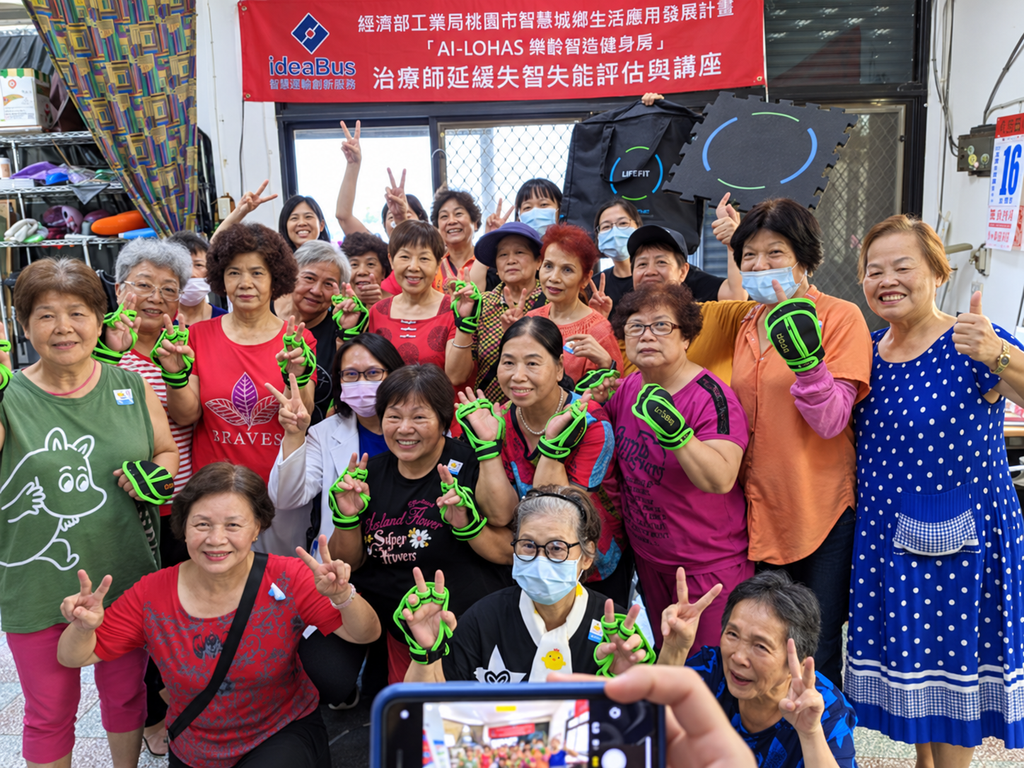
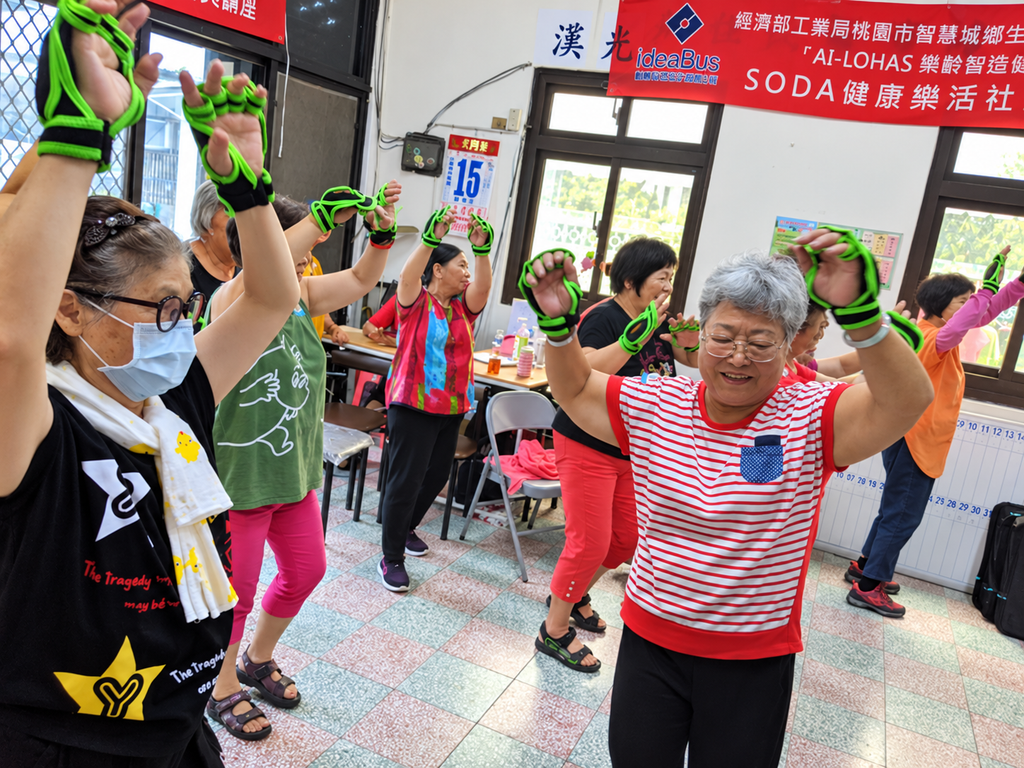
More More Cases
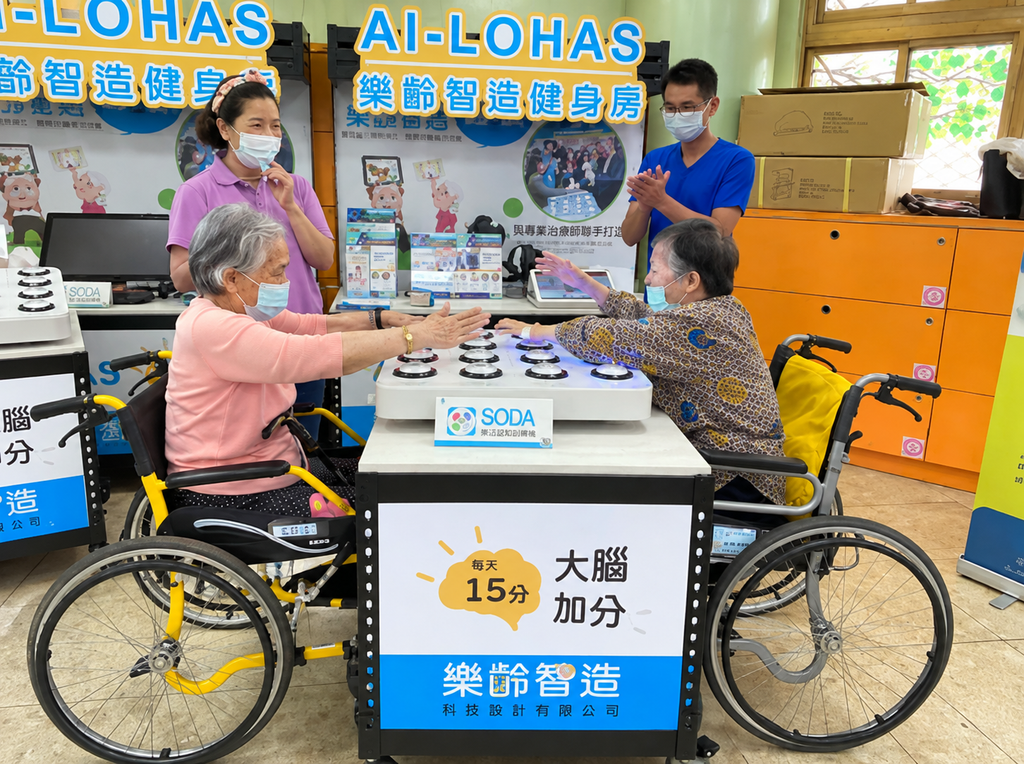
Use Cases
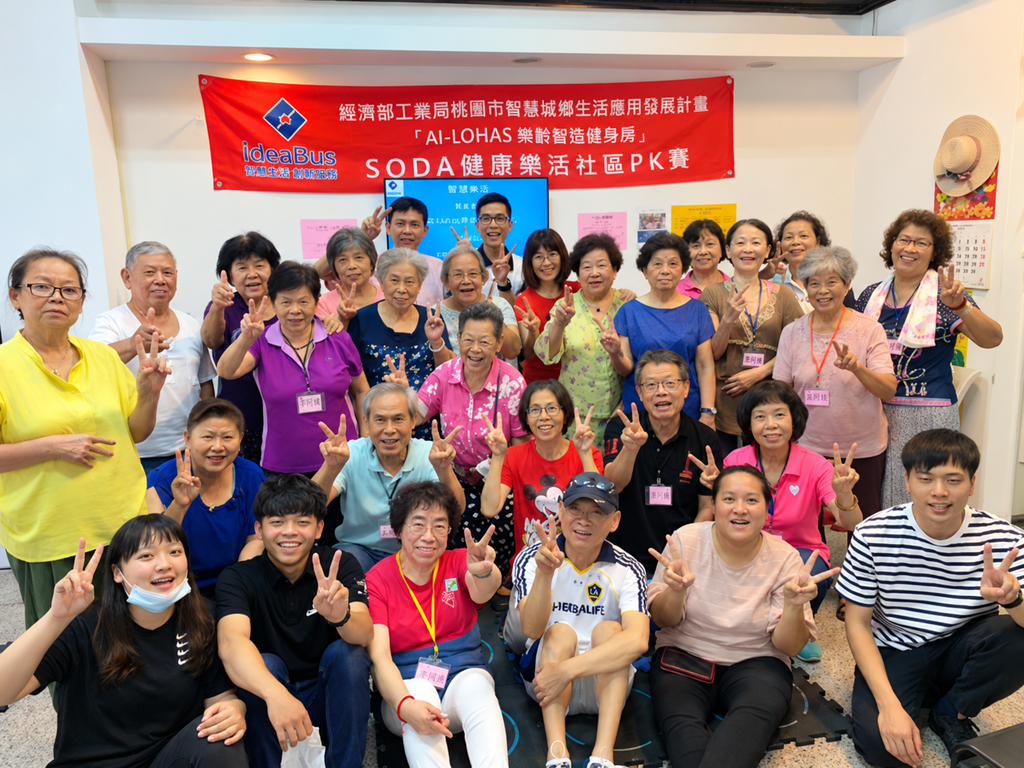
Proven in Singapore AACs through Real-World Use at Kampung Senang & Tzu Chi
LTPA Is Now Closer to You in Singapore !